
ENGINEERING MATERIALS

SUJ2 vs SUS440C: Which Steel for Wear-Resistant Precision Parts?

Compare SUJ2 and SUS440C by rolling contact, corrosion, heat treatment, machining and grinding before specifying a wear-resistant precision part.

ENGINEERING MATERIALSVIETTECH · TECHNICAL RESOURCES
01

They are not direct substitutes

SUJ2 and SUS440C can both be hardened and used where wear matters, but they solve different design problems. SUJ2 is a high-carbon chromium bearing steel developed around rolling-contact performance and contact-fatigue resistance. SUS440C is a high-carbon martensitic stainless steel selected when hardness and wear resistance must be balanced with better corrosion resistance than conventional bearing steel. The choice should begin with the failure mode, service environment, geometry, heat-treatment route and verification plan. A machining supplier should not substitute one grade for the other without design approval.

02

Functional comparison

Use this table as a DFM discussion guide, not as guaranteed property data. Final requirements come from the applicable product standard, batch certificate, supplied condition and approved heat treatment.

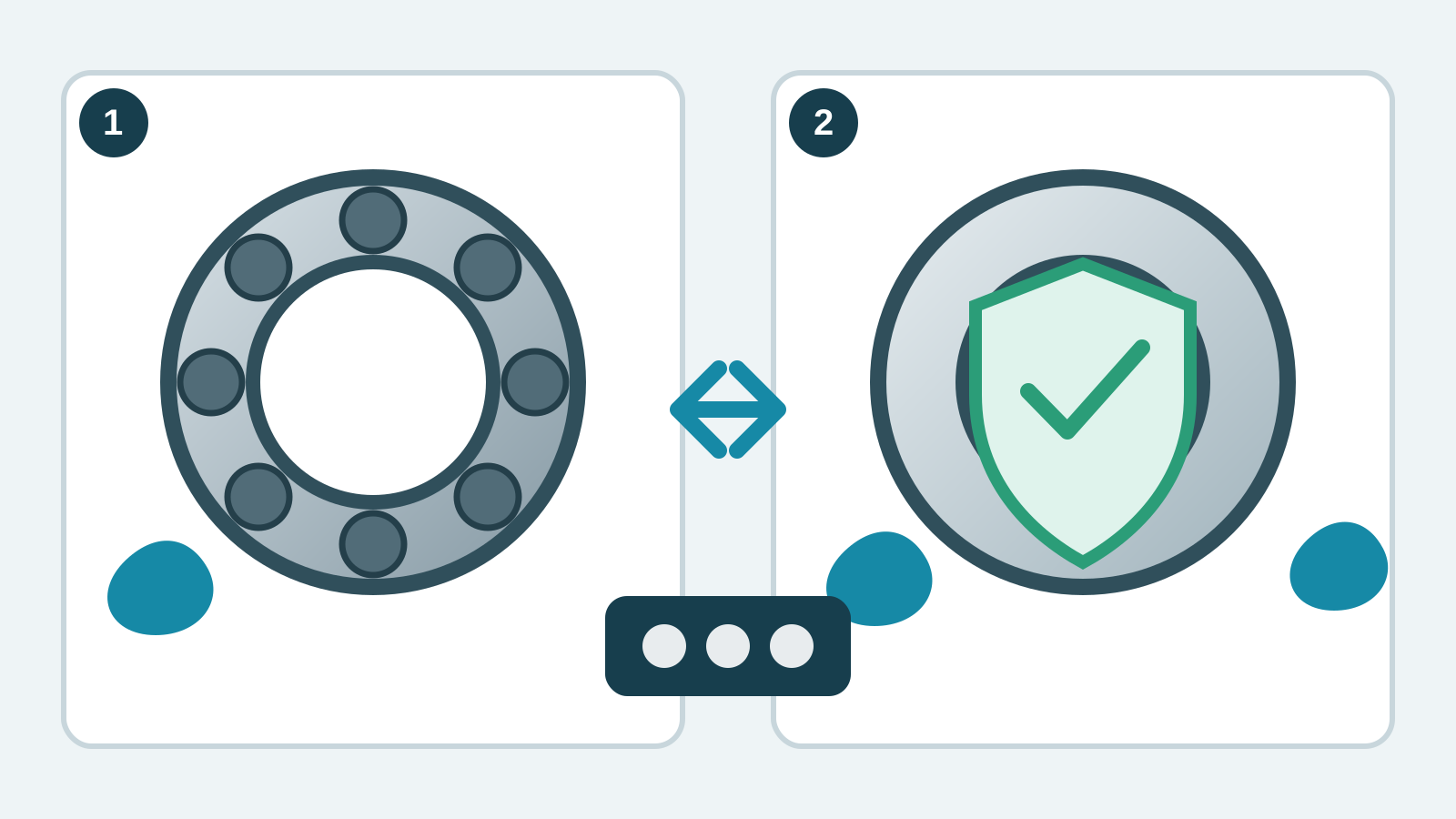
Technical diagram comparing SUJ2 for rolling contact with SUS440C where corrosion resistance matters
Conceptual illustration: SUJ2 for rolling contact versus SUS440C when hardness must be balanced with corrosion resistance. This is a technical diagram, not an actual VietTech production photograph.
QuestionSUJ2SUS440CConfirm in the RFQ
Material familyHigh-carbon chromium bearing steelHigh-carbon martensitic stainless steelStandard, product form and condition
Primary priorityRolling contact, contact fatigue and wearHardness and wear with better corrosion resistanceDominant failure mode
EnvironmentNeeds suitable lubrication, preservation or protectionMore corrosion resistant, not corrosion-proofWater, chlorides, chemicals or condensation
After hardeningPrecision surfaces commonly require grindingMay require grinding, EDM or suitable finishingFinal tolerance and surface state
RecordsApproved bearing-steel certificateApproved stainless product certificateHeat/lot traceability and hardness records
03

Where SUJ2 fits

SUJ2 is commonly considered for bearing rings, rolling elements, pins and machine parts under repeated contact in controlled, lubricated conditions. JIS G 4805:2025 is the current Japanese standard for high-carbon chromium bearing steels, but the purchaser must still define product form, size, delivery condition and applicable quality requirements. Steel cleanliness, inclusions, decarburization, heat-treated structure and surface finish may matter more to contact fatigue than a single hardness value. SUJ2 is not stainless; moisture, wash fluids and storage conditions require a suitable corrosion-control plan.

04

Where SUS440C fits

SUS440C is a hardenable martensitic stainless grade used for bearings, shafts, valves, tools and precision components needing better corrosion resistance than SUJ2. Stainless does not mean immune to attack: heat-treated condition, roughness, crevices, iron contamination, chlorides and cleaning practice all affect performance. Steelmaker hardness data are grade-specific reference values, not a guarantee for every form or section. State the required hardness or mechanical property, test method and test location in the RFQ.

05

Machining and finishing sequence

A typical route may include stock preparation, rough turning or milling, holes and grooves, controlled allowance, partner heat treatment, cleaning, grinding or hard finishing, and final inspection. Allowance cannot be selected from one universal table; it depends on size, wall thickness, section changes, datums and expected distortion. Too little stock may not remove distortion or affected surface, while too much increases grinding heat and burn risk. Functional bores and concentric features require datum planning before quotation.

Before heat treatment

Avoid unapproved sharp transitions, severe section changes and unbalanced stock where they increase stress or distortion; design changes require owner approval.

After heat treatment

Hardened material narrows cutting options. Finish functional surfaces after distortion-producing steps using grinding, EDM or an approved method.

06

Hardness alone does not select the grade

Wear life also depends on rolling or sliding stress, lubrication, debris, impact, temperature, edge geometry, concentricity and finish. In a wet environment, corrosion may govern reliability; in a clean lubricated system, SUS440C's corrosion advantage may not justify its process and cost. Conversely, familiar use of SUJ2 can create preservation risk. Rank the actual failure mechanisms before comparing grade, heat treatment, coating and maintenance.

07

Heat treatment and inspection

Grade name does not define final microstructure. Austenitizing, quench medium, tempering, optional sub-zero treatment and section size affect hardness, retained austenite, stability and distortion. VietTech machines and inspects within confirmed scope; specialist heat treatment is coordinated with qualified partners. Final dimensions, roundness, cylindricity, runout and finish should be checked after the final treatment and finishing state. Hardness scale, location and surface preparation must be specified, and material, heat-treatment and dimensional records must retain lot linkage.

08

RFQ checklist

Provide matching 2D and 3D revisions, material standard, product form, delivery condition, loaded surfaces, rolling or sliding contact, environment, lubrication, hardness, heat-treatment records, final grinding surfaces, tolerances and inspection documentation. State quantity and traceability level. If equivalents are allowed, define the approval route rather than leaving substitution to the machine shop.

  • Grade, standard, form and delivery condition
  • Load, environment, lubrication and failure mode
  • Hardness and heat-treatment certification
  • Post-treatment tolerance, finish and inspection
  • Lot traceability and substitution approval
09

Technical sources and limits

This article references JIS G 4805:2025, JIS G 4303:2021 and official technical information from JFE, JTEKT/Koyo, Daido Steel and Aichi Steel. Standard scope varies by product form. Typical composition or property tables do not replace a batch certificate or contractual specification; final material approval remains a design responsibility.

RELATED PAGES

SUS304 vs SUS316: Which Stainless Steel Should You Choose for CNC Machined Parts? ↗SKD11 vs. SKD61: Which Tool Steel Should You Select for a Precision-Machined Part? ↗When Is Precision Grinding Required After Heat Treatment? ↗Material Certificates in a CNC RFQ: MTC, CoC and Lot Traceability ↗

FAQ

Frequently asked questions

Is SUS440C always more wear resistant than SUJ2?

No. Wear depends on heat treatment, hardness, structure, finish, load, lubrication and wear mechanism. SUS440C's clearer advantage is improved corrosion resistance.

Can SUS440C replace SUJ2 without a drawing change?

No. The grades, standards, processes and costs differ; obtain design approval.

Does SUJ2 require grinding after heat treatment?

Many precision surfaces do, but the route depends on final tolerance, finish, distortion and machining allowance.

Is SUS440C suitable for seawater?

Do not assume so. Chlorides, crevices, temperature and surface condition can still cause corrosion; assess the actual environment.

Does VietTech heat-treat these grades in house?

VietTech machines and inspects them within confirmed scope; specialist heat treatment is coordinated with appropriate partners.

ENGINEERING MATERIALS

Choosing SUJ2 or SUS440C?

Send the drawing, load and environment, material standard, hardness, post-treatment tolerances, quantity and documentation needs. VietTech will review the machining–heat-treatment–grinding–inspection route before quotation.REQUEST A QUOTE ↗